

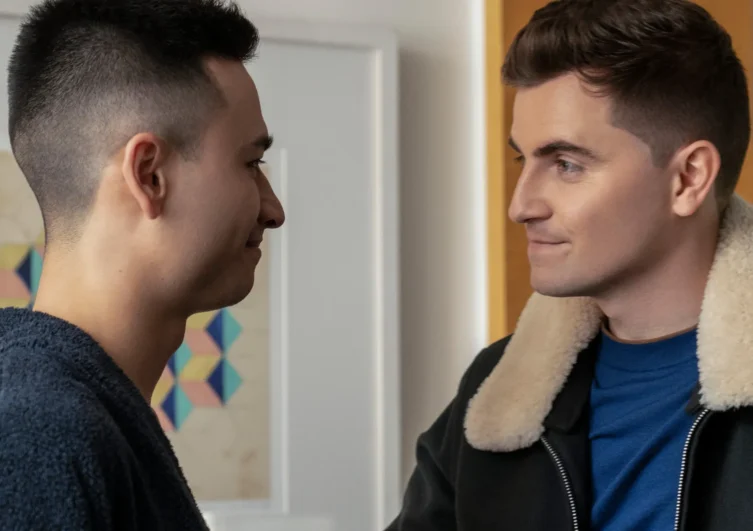
Season four of Ted Lasso introduces Richmond’s women’s team, and it does not take long for lesbians to arrive. While Ted is trying to learn who everybody is, he assumes Mady and Margy are sisters. Alice corrects him. They are a couple, and they have been together since training camp.
And that is basically it.
Nobody gasps. Nobody sits them down for an emotional conversation. Nobody calls a press conference or asks what this means for the future of women’s football. They are two women on the same football team who happen to be dating.
Ted comments that you do not really see that in the men’s game. Alice replies: “Not that you know of.” The exchange comes in season four, episode two, and with four words Ted Lasso lands on one of the strangest differences between men’s and women’s football.
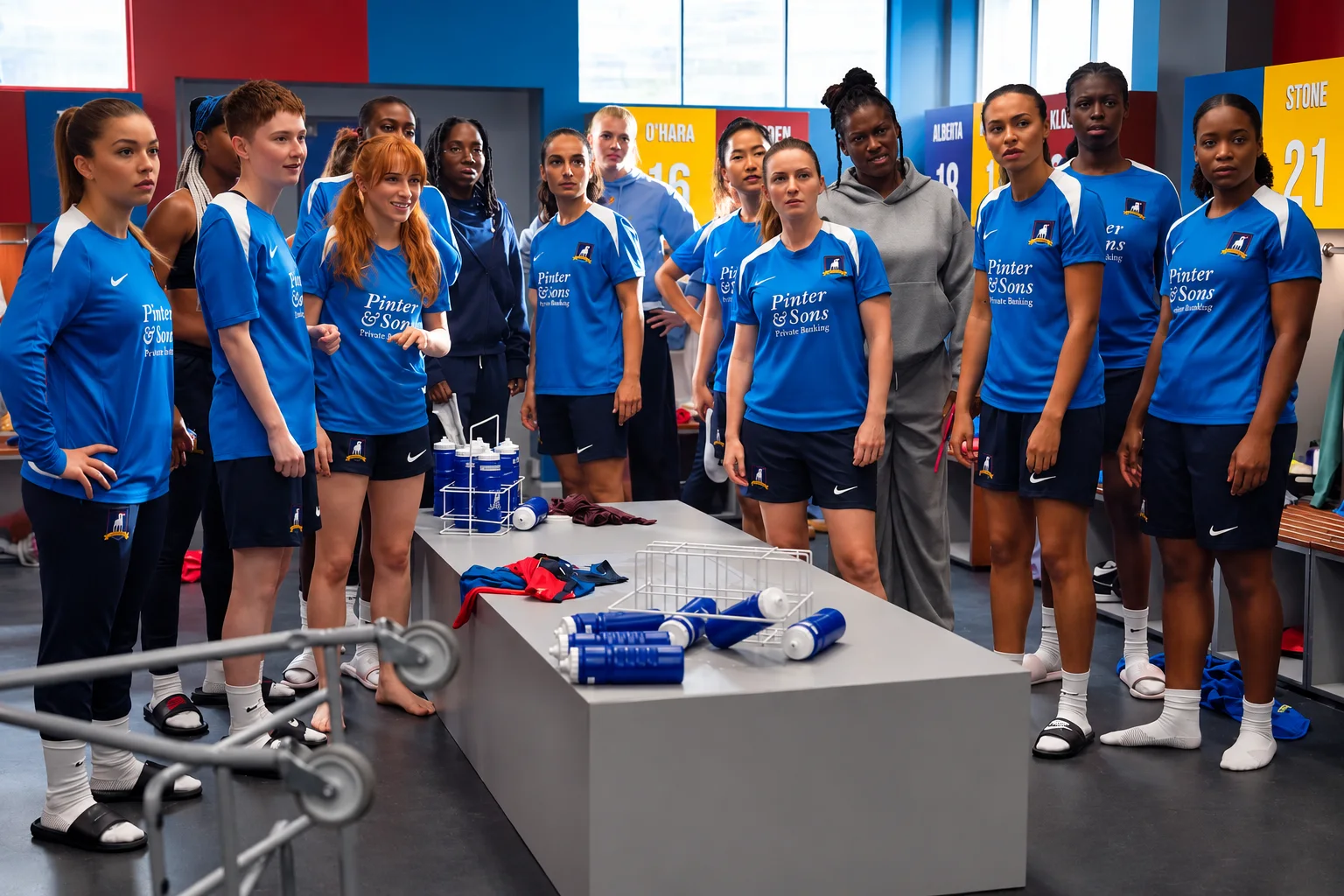
In women’s football, being gay can be almost boring
The show is not exaggerating much. At the 2023 Women’s World Cup, at least 96 players were publicly out as LGBTQ+, more than 13 per cent of the tournament. Twenty-two of the 32 national teams included at least one publicly out player.
Some were among the biggest names in the sport, and for many there was no dramatic “coming out moment”. Their partners appeared on social media, at matches or in interviews, and everybody largely carried on with their day.
That does not mean women’s football is some magical lesbian utopia. Homophobia still exists, and LGBTQ+ players have faced abuse, including during the 2023 Women’s World Cup. But an openly lesbian or bisexual woman playing professional football no longer feels particularly extraordinary.
Which brings us to the men.
Then a man comes out
When Blackpool player Jake Daniels came out as gay in 2022, he became the first active male professional footballer in Britain to do so since Justin Fashanu in 1990. Suddenly everybody knew his name, and his announcement became national and international news.
Which is extraordinary when you think about what the actual news was.
A 17-year-old footballer was gay.
That was enough to become international news.
That is exactly why Colin mattered
Ted Lasso had already explored this through Colin Hughes. Colin was gay long before his teammates knew. He had a boyfriend, Michael, and a private life. The problem was that professional football existed in a separate compartment.
When he finally came out to Richmond, the fear was not really about discovering his sexuality. It was about whether everybody would treat him differently afterwards.
That is the discrepancy the women’s team makes even clearer. Mady and Margy do not need a storyline about whether their teammates can cope with the devastating revelation that two women are sleeping together. They are simply together. Colin needed an entire emotional journey before he could say the same thing.
Maybe that is the point
Ted Lasso has not solved homophobia in sport. What it has done is put the two worlds next to each other.
On the women’s side, two players can date and barely interrupt training. On the men’s side, an openly gay footballer remains unusual enough that when one appears in real life, newspapers around the world report it.
That is a pretty enormous gap.
To date, science has found no evidence that who you sleep with makes you any better or worse at football.
Contribute
We value different opinions and stories! Want to contribute yours? Get in touch!
One response
-
[…] was inside the stereotype. That policing of masculinity is hardly unique to military life either: football has spent decades wrestling with a remarkably similar double standard around gay […]


Leave a Reply