Why gay men love divas is a question with more than one glitter-covered answer. Ask a group of gay men to agree on anything and you may be waiting until the next Pride. Ask them to defend their favourite diva, however, and suddenly everyone has prepared evidence, footnotes and a closing argument.
The connection is familiar enough to be a cultural cliché. Yet the answer to why gay men love divas is richer than “because the songs are fabulous.” Divas offer drama, resilience, reinvention and emotional release. They make survival look glamorous—and sometimes give pain a key change.
A diva makes emotion enormous
A true diva does not merely experience heartbreak. She gives it an orchestra, a wind machine and a final note long enough to reconsider every relationship you have ever had.
That emotional scale has long resonated with people who were taught to conceal parts of themselves. When public life demanded restraint, a diva could express desire, grief, fury and triumph at full volume. The audience did not simply hear her feelings. They borrowed them.
Judy Garland became an enduring gay icon partly because vulnerability and endurance seemed inseparable in her work and public life. Barbra Streisand made being distinctive feel like an advantage. Diana Ross turned elegance, hair and entrance-making into a complete language. Meanwhile, Donna Summer supplied the dance floor with its own theology.
Why gay men love divas: reinvention is part of the contract
Gay life often involves self-creation: choosing how to present yourself, finding community and becoming visible on your own terms. Pop divas understand that instinctively. Their careers are rarely straight lines. They disappear, transform and return with better lighting.
Madonna turned transformation into an artistic principle. Cher converted career resurrection into a renewable energy source. Mariah Carey followed the commercial collapse of Glitter and the end of an industry-powerful marriage with the perfectly titled The Emancipation of Mimi, turning a career obituary into one of pop’s great resurrections.
Few stories appeal more strongly to gay audiences than: “They said she was finished, so she returned with a number-one album and made them apologise.”
Kylie Minogue has moved between cheerful pop, indie experimentation, disco and futuristic glamour while keeping a devoted gay following. Recent scholarship on Kylie’s status as a gay icon connects that appeal to reinvention, drag aesthetics, fantasy and pop excess. In other words: the thesis has entered peer review, but the dance floor reached its verdict years ago.
Camp turns survival into spectacle
Camp is not simply bad taste wearing sequins. At its sharpest, it is a way of recognising artifice and enjoying it knowingly. The diva is perfectly suited to it: the gown is too large, the gesture too precise and the emotion too enormous—and that is exactly why it works.
The best performers also balance control with vulnerability. Beyoncé presents discipline on an almost architectural scale, while Lady Gaga can move from meat dress to jazz standard without behaving as though either requires an apology. Both understand that transformation is most convincing when the audience can still sense the human being underneath it.
VH1 Divas Live made devotion a team sport
The original VH1 Divas Live concert in 1998 turned the fantasy into a televised summit. Aretha Franklin, Céline Dion, Mariah Carey, Gloria Estefan, Shania Twain and Carole King shared one stage. It was less a concert than a vocal Olympics with gowns.
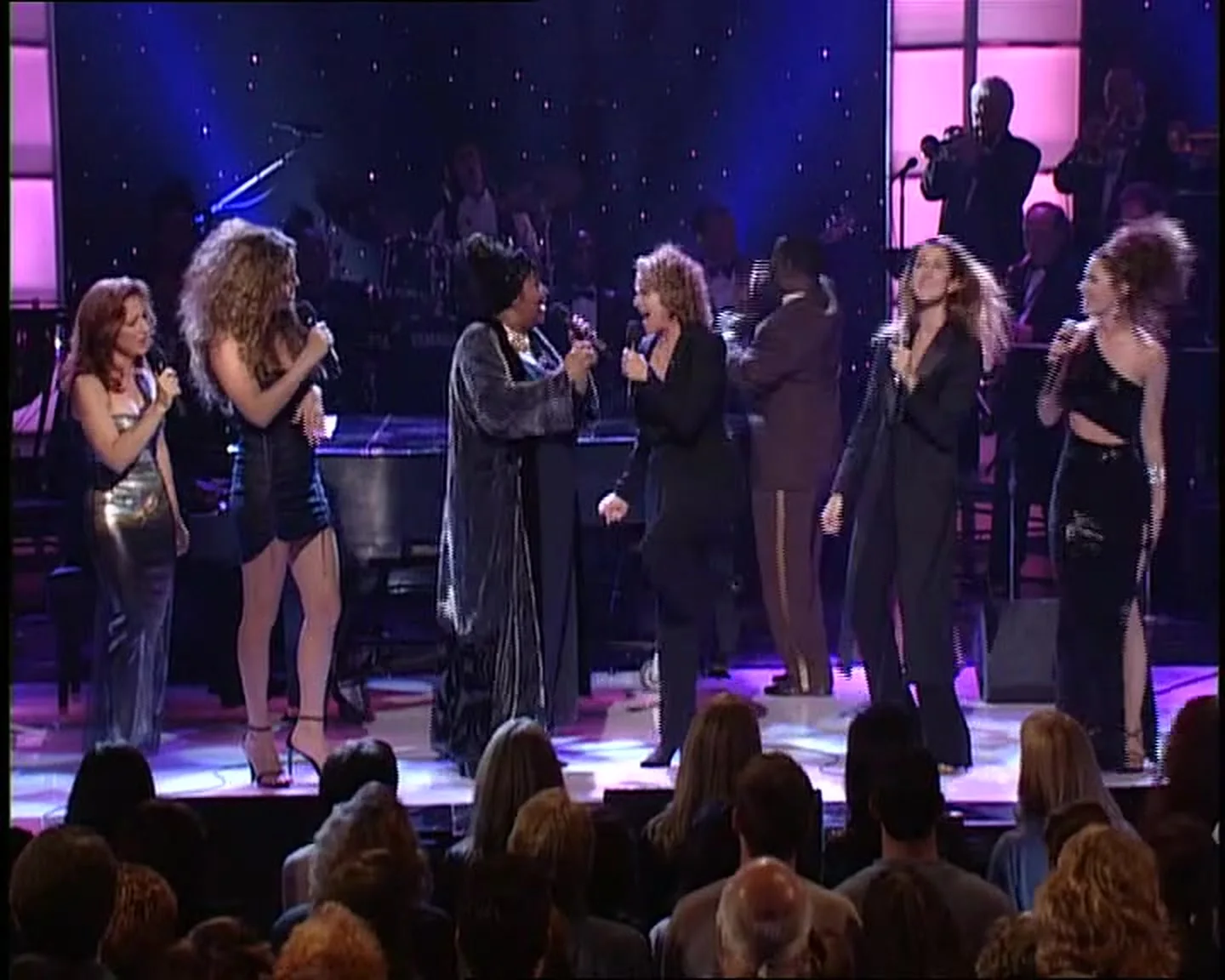
The thrill came from watching enormous talents collaborate while still remaining unmistakably themselves. Every glance suggested respect, competition or the possibility that someone was about to take the song up another key. For gay viewers, it formalised something already understood: loving a diva could be personal, communal and just competitive enough to remain interesting.
No, every gay man does not worship a pop star
Of course, gay men are not a single audience with one shared playlist. Some prefer rock, rap, classical music or silence. Others hear the opening bars of a dance remix and begin reorganising the furniture.
The cliché persists because it contains a recognisable cultural history, not because it describes everyone. Divas offered visibility before many queer people had it. They dramatised reinvention, survived hostile industries and turned difference into authority. Their music became attached to clubs, Pride celebrations, drag performance, friendship and the private ritual of singing far beyond one’s medically advisable range.
The final note
The answer to why gay men love divas begins with what a diva does beyond singing. She falls apart beautifully, returns strategically and refuses to make herself smaller for the comfort of the room.
She reminds us that survival can have choreography, heartbreak can be remixed and a comeback deserves better tailoring than the original era. The bond may be a stereotype, but it has history, humour and genuine affection behind it. That appetite for honesty and reinvention also shapes today’s queer music stories.
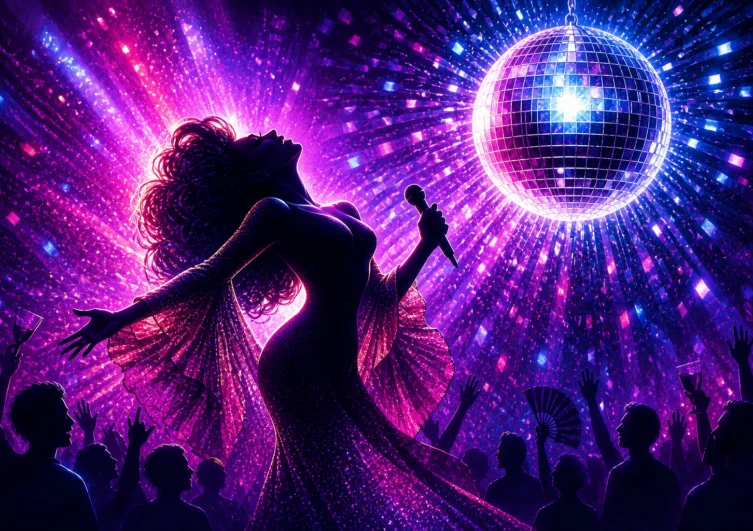
And if civilisation must end one day, there are worse ways to go than beneath a disco ball while somebody holds the final note.