

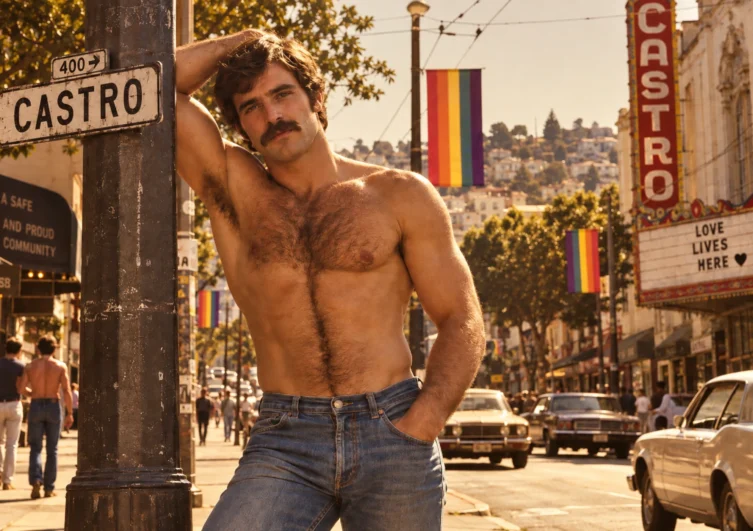
For a while there, the moustache was dead.
Not technically, of course. Dads still had them. Policemen still had them. Somewhere, a man fixing a boiler was keeping the dream alive. But culturally? Sexually? Among gay men? The moustache that once ruled 1970s porn and stalked the streets of 1980s San Francisco seemed to have gone extinct.
And yet, somehow, it’s back.
Not as a joke. Not attached to a hipster drinking craft beer out of a jam jar. Proper moustaches. On hot men. Young men. Gay men. Men who appear to have looked at a photograph from 1978 and thought, Actually, he was onto something.
Look, I’m not complaining. That moustache tickle can be put to good use.
But how did we get here? How did a strip of facial hair go from gay liberation and porn-star masculinity, to something your uncle wore in 1996, to an ironic hipster accessory, and then, against all odds, become sexy again and actually go from giving us the ick to turning us on?
I did some digging…
The 70s – When the Moustache Meant Business
If you were a gay man in the late 1970s, the moustache wasn’t just something growing above your lip. It was practically part of the uniform.
Picture San Francisco’s Castro district at the time: tight Levi’s, white T-shirts, plaid shirts, leather jackets, work boots, short hair, gym-built bodies and, sitting proudly above the upper lip, a thick moustache.
The look became known as the Castro clone, and masculinity was the whole point. Gay men had spent generations being portrayed as weak, delicate and effeminate, so many went hard in the opposite direction. If society insisted that being homosexual meant being less of a man, they were determined to look as unmistakably masculine as possible. The moustache, the boots, the Levi’s, the muscles, all of it became a way of stripping away anything that might be read as feminine and proving that a man could be completely, unapologetically gay and still look like he could chop down some wood before breakfast.
The moustache fitted perfectly into this new image. It looked rugged. Adult. Sexual. Extremely masculine.
It was also everywhere in gay porn. Porn stars such as Al Parker, with his famous moustache and muscular, hairy look, helped cement an image that became almost inseparable from gay male sexuality of the period. And the interesting thing is that the porn-star moustache and the Castro moustache weren’t really separate phenomena. They were feeding off the same fantasy of exaggerated masculinity.
Then there was Tom of Finland, whose drawings had already spent decades turning policemen, sailors, bikers and leather-clad men into impossibly muscular objects of gay desire. His men frequently came equipped with moustaches too, because apparently even facial hair needed to be horny in the 1970s.
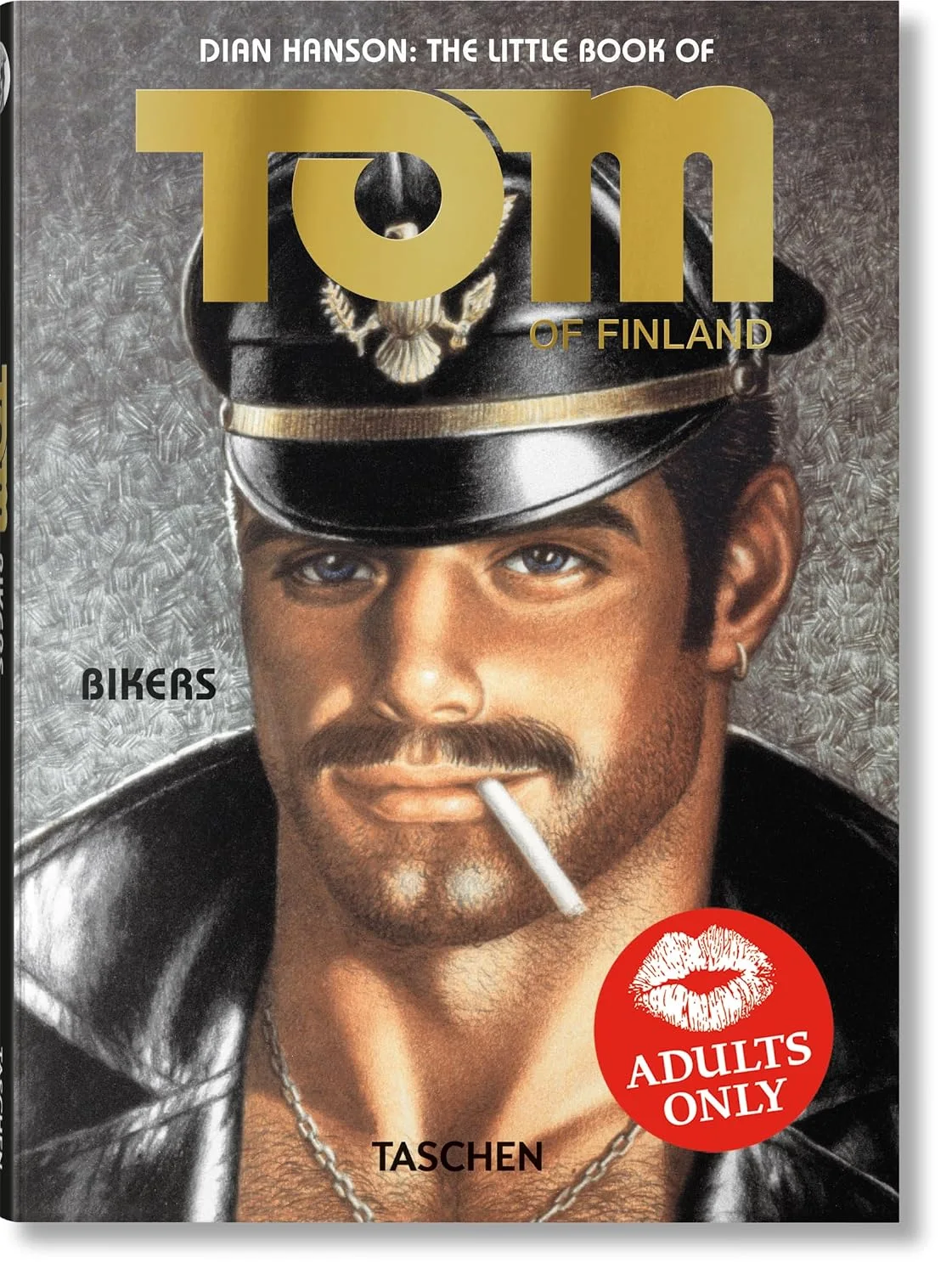
So the moustache became more than fashionable. It became a kind of visual shorthand.
There was something quietly radical about that. Gay men were taking traditionally straight masculine archetypes, the cop, the biker, the cowboy, the labourer, and essentially saying: Thanks, we’ll be having those.
The 80s – Then AIDS Changed Everything
The moustache didn’t vanish when the calendar flipped to 1980. If anything, the Castro clone was still at full strength.
The moustache itself was hardly disappearing. Tom Selleck was wearing one across prime-time television in Magnum, P.I., while Freddie Mercury adopted the look at the start of the decade and turned it into one of the most recognisable moustaches in pop culture. If anything, the moustache had gone mainstream.
But the world surrounding that particular gay look was about to change in a way nobody could have imagined.
When AIDS began tearing through gay communities in the early 1980s, it hit many of the same places where this new, confident gay male culture had flourished: San Francisco, New York, the bars, bathhouses and neighbourhoods where gay men had finally begun living openly and visibly.
The men in those old photographs, the moustaches, the Levi’s, the leather jackets, the bodies that had come to represent a newly liberated kind of gay masculinity, suddenly belonged to a community facing illness, death, fear and enormous stigma. An entire generation was devastated.
It would be far too simple to say that AIDS killed the moustache. But AIDS was overwhelmingly associated in the public imagination with gay men, and the epidemic brought an extraordinary new level of stigma with it. Suddenly, the very visible gay male culture of the 1970s, the Castro clone, the leather, the moustache, the hypermasculine sexual confidence, carried associations that many men had very good reasons to distance themselves from. Blending in could feel safer than advertising membership of a community that was being blamed, feared and vilified. The culture that had made the Castro clone so powerful hadn’t simply gone out of fashion; the world around it had become far more hostile.
The 90s & 2000s – The Great Moustache Extinction
By the 90s, the standalone moustache had become horribly uncool. It was dads, policemen, PE teachers, Magnum P.I. reruns and old porn. Gay male grooming moved elsewhere: clean-shaven faces, goatees, stubble, eventually carefully maintained beards.
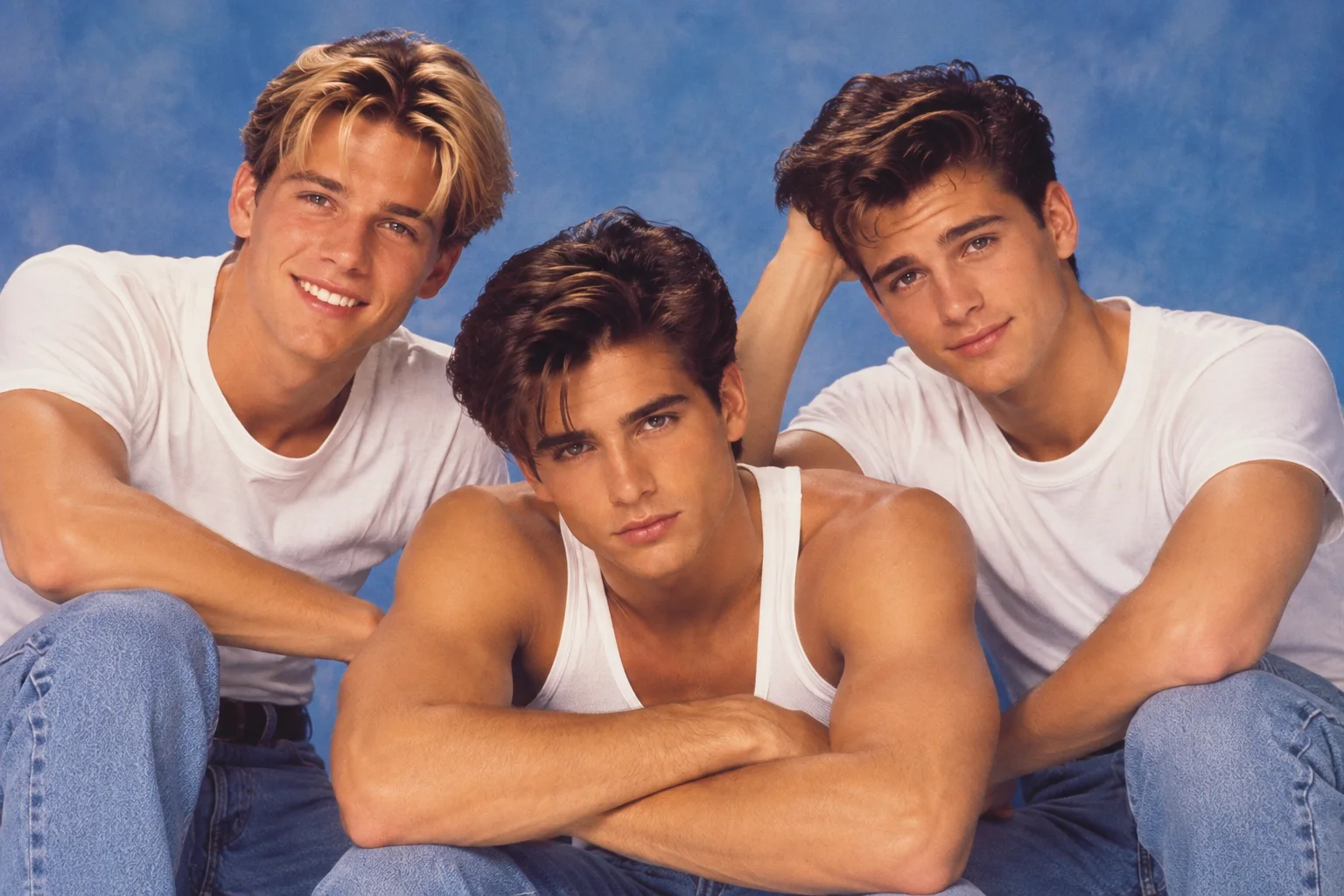
Then, in the late 2000s/early 2010s, hipsters dug up the body. The moustache came back, but crucially, we weren’t supposed to find it sexy yet. It came with handlebar curls, craft beer, suspenders, tattoos, motorbikes and a level of irony thick enough to protect everyone involved. The joke was basically: Yes, I know I look ridiculous. That’s why I’m doing it.
So Who Made It Hot Again?
Miles Teller was probably one of the first big mainstream moments. His thick moustache in Top Gun: Maverick in 2022 caused an actual moustache craze on TikTok; GQ was already calling it an Eighties “porno ’stache.”
Then you start getting Pedro Pascal, whose moustache became so much a part of his whole sex-symbol appeal that it’s now difficult to imagine his face without it. Meanwhile, Jacob Elordi gives you the younger-generation angle. He went through a wispy moustache phase and then returned to a very deliberate 70s-style moustache during the 2026 awards season.
And then the floodgates really opened: Timothée Chalamet, Charles Melton, Benson Boone, Brad Pitt and, lately, every third Grindr profile, or at least the ones generous enough to include a face pic.
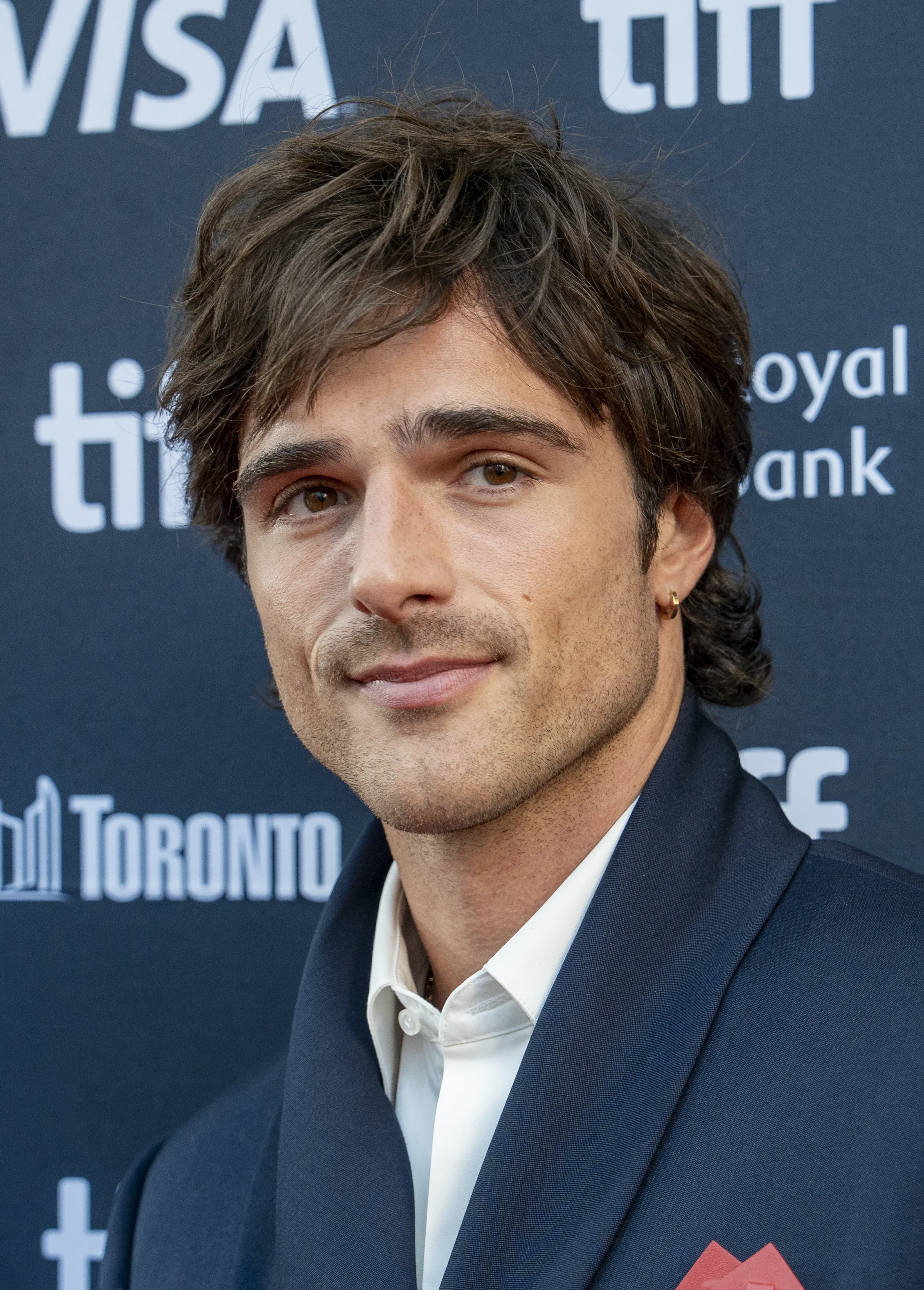
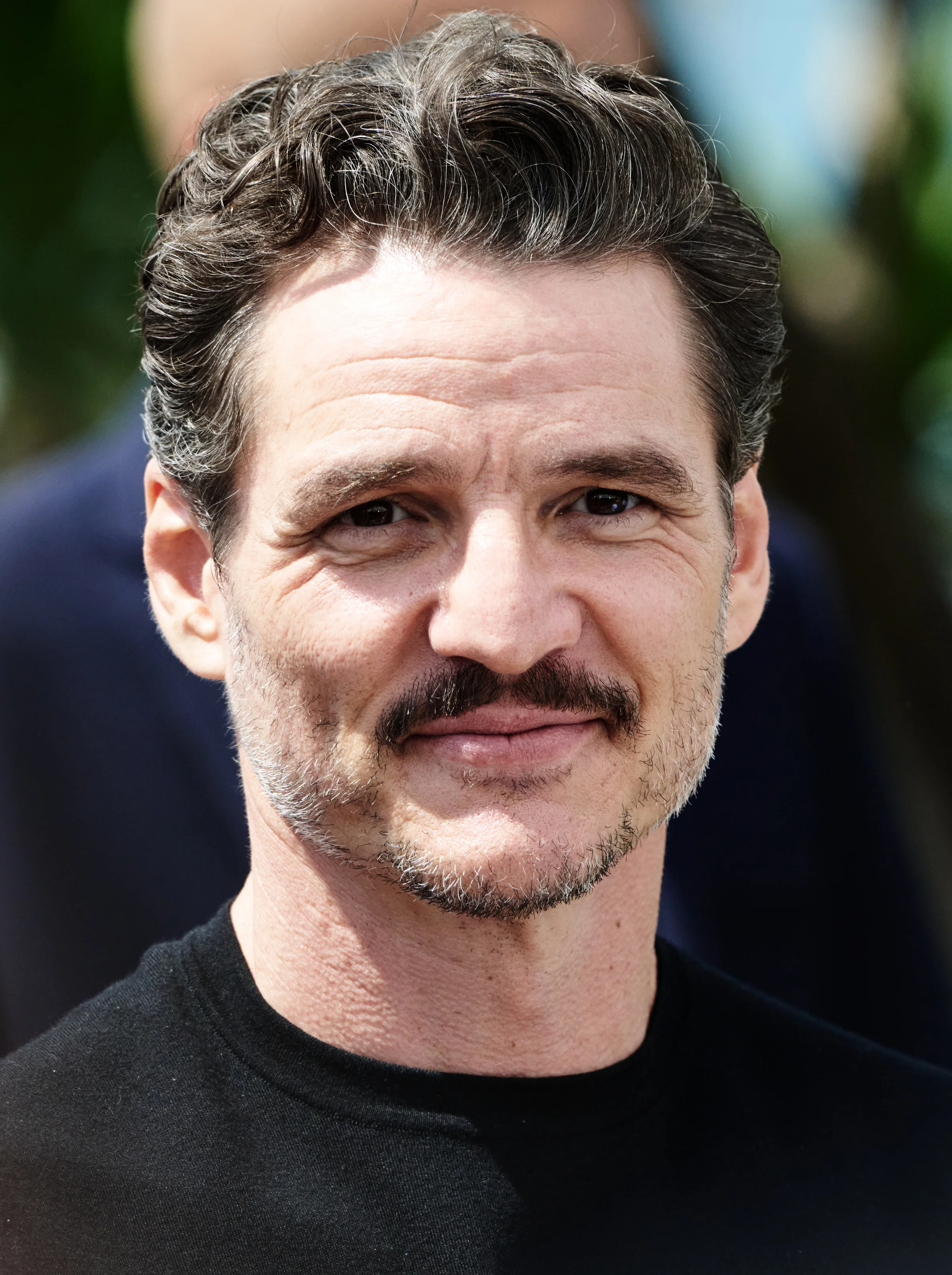
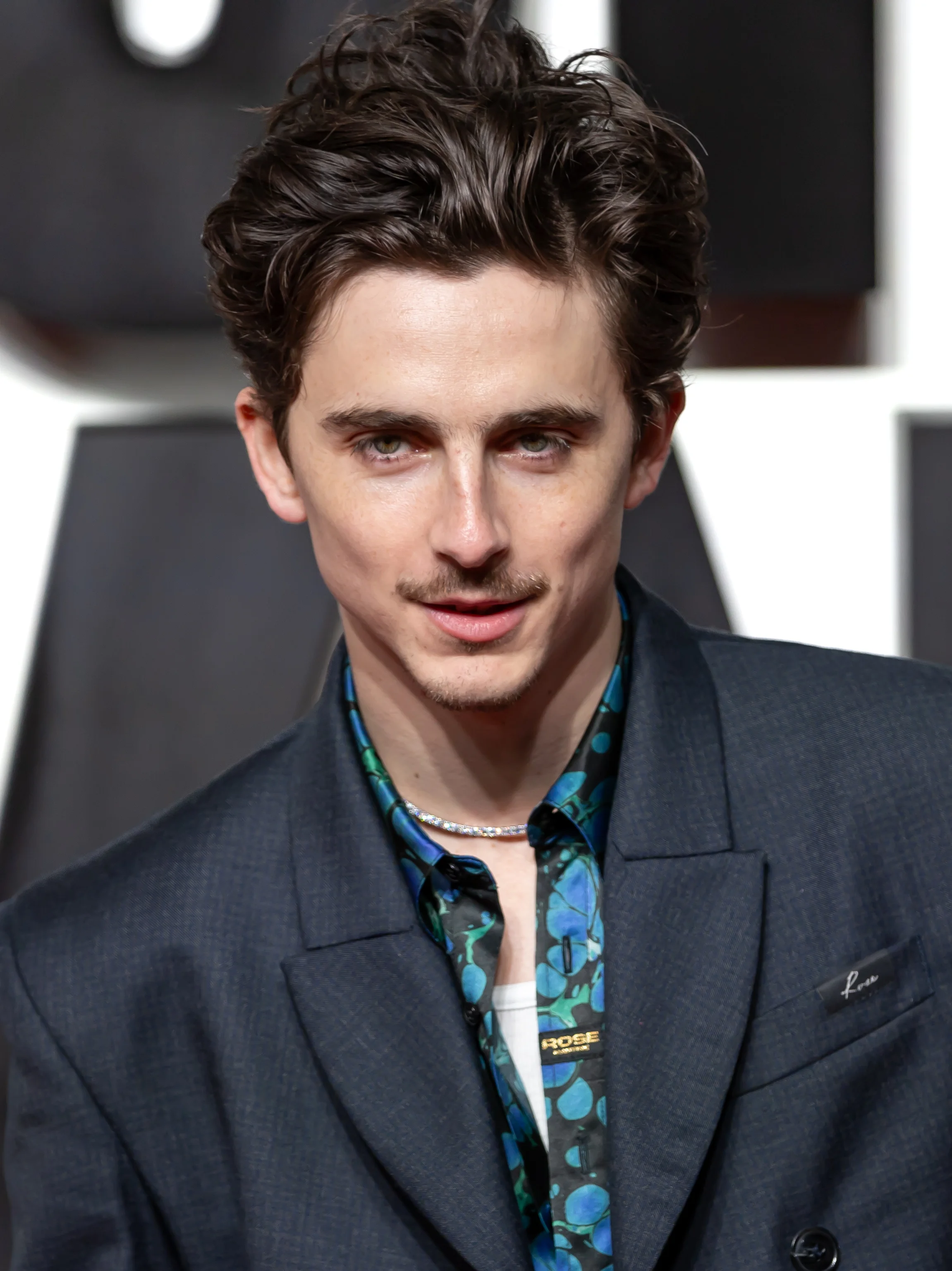
Jacob Elordi: JoshPopov/WikiPortraits, CC BY 4.0; Pedro Pascal: Gabriel Hutchinson/WikiPortraits, CC BY-SA 4.0; Timothée Chalamet: Amy Martin Photography, CC BY 4.0. Images cropped.
The moustache stopped being something you wore ironically and became something you wore because, apparently, it makes you hotter. Fifty years after gay men in the Castro paired one with Levi’s and a tight T-shirt, a new generation has arrived at more or less the same conclusion.
History does have an annoying habit of repeating itself. The jeans are shorter, the photographs have moved from Polaroids to thirst-trap selfies, and nobody is calling themselves a Castro clone anymore, but somehow the moustache has made its way right back to where it started: sitting above the lip of a hot man and leaving us wondering: Am I weirdly attracted to this now?
And you know what?
I’m not mad about it. I might even grow one myself if there’s any evidence it improves bed occupancy.
.png)
.jpg)
.jpg)
Leave a Reply