Syphilis has been terrifying sexually active people since long before dating apps gave us the ability to make questionable decisions within a three-kilometre radius.
It has inspired moral panic, historical scandal and some truly alarming medical illustrations. Yet beneath the dramatic reputation is a bacterial infection that is detectable, treatable and curable.
The problem is that syphilis is also a gifted impersonator. It can resemble other conditions, disappear without actually leaving and produce confusing test results years after treatment. It is essentially the STI equivalent of someone who says goodbye at a party and remains in the kitchen for another three hours.
So what is syphilis?
Syphilis is caused by the bacterium Treponema pallidum. It spreads primarily through direct contact with an infectious sore during oral, anal or vaginal sex. The sore may appear on the genitals, anus, rectum, lips or inside the mouth, which means it can be both painless and extremely easy to miss. And it doesn’t matter if you’re top, bottom, side or somersault: direct contact with an infectious sore. Period.
It doesn’t spread through toilet seats, swimming pools, shared cutlery or briefly making eye contact with someone attractive at the gym.
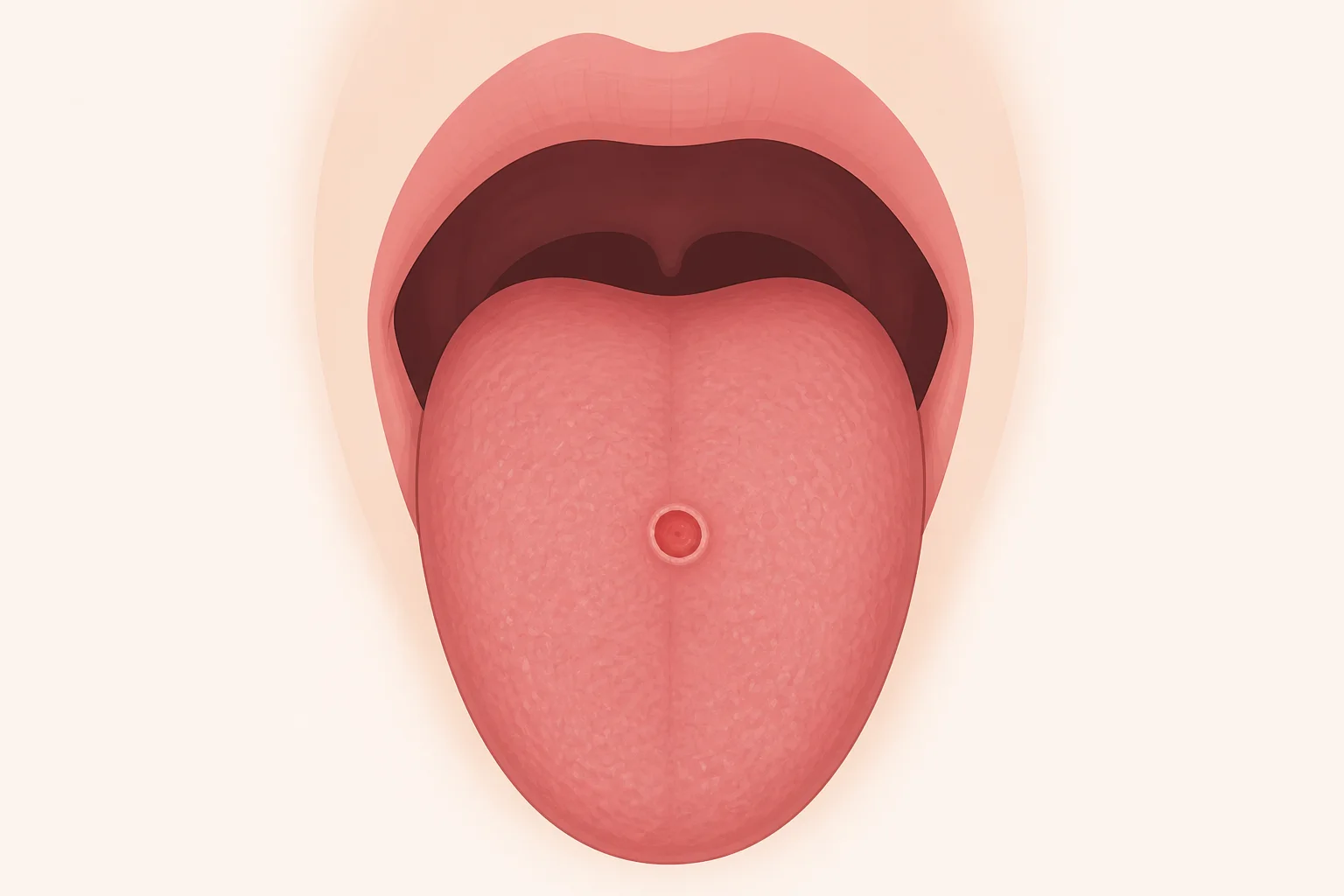
According to the CDC, syphilis develops in stages. During the primary stage, it often produces a firm, round sore known as a chancre. It usually doesn’t hurt and may heal by itself within a few weeks.
But don’t be fooled by the rocks you no longer got: this isn’t a sign your immune system is winning. It’s the bacterium changing costumes.
Secondary syphilis can cause a rash, including on the palms of the hands or soles of the feet, as well as fever, swollen lymph nodes, fatigue, sore throat, muscle aches and patchy hair loss. These symptoms may also disappear without treatment.
Finally, the infection can then enter its latent stage, during which no visible symptoms are present. Untreated syphilis may remain in the body for years and, in some people, eventually damage the brain, nerves, eyes, ears, heart or blood vessels.
Changes in vision or hearing, severe headaches, confusion, weakness or other neurological symptoms require urgent medical assessment. Neurosyphilis, ocular syphilis and oto- (ear) syphilis can occur at any stage. The bacterium is versatile, ambitious and clearly unfamiliar with personal boundaries.
Why discuss it within the LGBTQ+ community?
Syphilis is not a “gay disease.” Bacteria do not check sexual orientation before entering the premises.
However as per CDC, “gay, bisexual and other men who have sex with men have been disproportionately affected”. Why did the CDC separate gay men from other men who have sex with men? Because the closet is real.
Anyways, CDC surveillance found that this group accounted for the largest share, 44.9%, of reported primary and secondary syphilis cases in the United States between 2014 and 2023. Cases have also increased sharply among heterosexual populations, while congenital syphilis remains a major public-health crisis. This is a societal problem, not a character assessment.
Higher rates within parts of the LGBTQ+ community reflect overlapping sexual networks, barriers to appropriate healthcare, uneven access to testing and stigma. There is also a simple mathematical reality: when an infection is already more common within a connected sexual network, each new encounter carries a greater statistical possibility of exposure. It is epidemiology, not a morality play. Although some of us are admittedly very social people.
But having syphilis does not indicate that someone is irresponsible, promiscuous or morally defective. It indicates that a bacterium found an opportunity. Whether it’s your first partner or your 700th.
So stop counting partners as you read this because shame doesn’t cure infections. Penicillin does.
How is it treated?
Syphilis is curable with antibiotics. The preferred treatment is usually benzathine penicillin G, given by injection.
According to the CDC treatment guidelines, early syphilis is generally treated with one injection. Late latent syphilis or infection of unknown duration usually requires three injections given at weekly intervals. Syphilis involving the brain, eyes or ears requires a different and more intensive treatment regimen.
The correct treatment depends on the stage, symptoms, pregnancy status, allergy history and whether neurological, visual or auditory involvement is suspected. This is why borrowing leftover antibiotics from a friend is not healthcare. It is improvisational theatre with bacteria.
And yes, the injection can be painful for a few minutes. And while a gentle nurse can ease the blow, nobody is likely to mistake this for a spa treatment.
But completing the prescribed treatment cures the infection, and that’s the focus. Just keep in mind, it does not necessarily reverse damage that has already occurred, which is why early diagnosis matters.
Some people experience fever, chills, headache or muscle aches within the first day after treatment. This is known as the Jarisch-Herxheimer reaction. It is a response to the bacteria dying, not usually an allergy to penicillin, but symptoms should still be discussed with a healthcare professional.
And once this is all done? Repeat tests. But here is where syphilis testing develops a plot twist.
Why rapid tests become confusing after your first infection
Many rapid syphilis tests are treponemal tests. They detect antibodies produced specifically in response to Treponema pallidum. After someone has had syphilis, these antibodies commonly remain detectable for life, even when treatment has completely cured the infection.
This means a rapid treponemal test may continue to show a positive result years after successful treatment. It cannot reliably tell whether the result represents:
- A previous infection that was treated
- A current untreated infection
- A new infection after treatment
So once you’ve been infected with syphilis, quick tests are generally not recommended because the answer they provide is no longer the answer we need.
Clinicians therefore use a blood test, usually an RPR or VDRL, reported with a numerical titre such as 1:4, 1:16 or 1:64. These nontreponemal tests help estimate current disease activity and monitor how the body responds to treatment.
Since we’re talking about testing, there is another complication. Blood tests can be negative during the earliest phase of a new infection because the body has not yet produced enough detectable antibodies. If you have a suspicious sore or a recent known exposure, seek clinical assessment even if a rapid test is negative. Your clinician may recommend repeat testing or presumptive treatment.
In short, once you have had syphilis, keep a record of your treatment and previous RPR or VDRL titres. Future you will be grateful. Your doctor will be grateful. Even the bacterium may admire your administrative competence.
Can syphilis return?
Absolutely. Successful treatment does not create immunity. You can catch syphilis again whenever you are re-exposed.
Condoms reduce the risk, although they cannot protect skin that they do not cover. Regular testing, honest communication with partners and prompt treatment all help interrupt transmission.
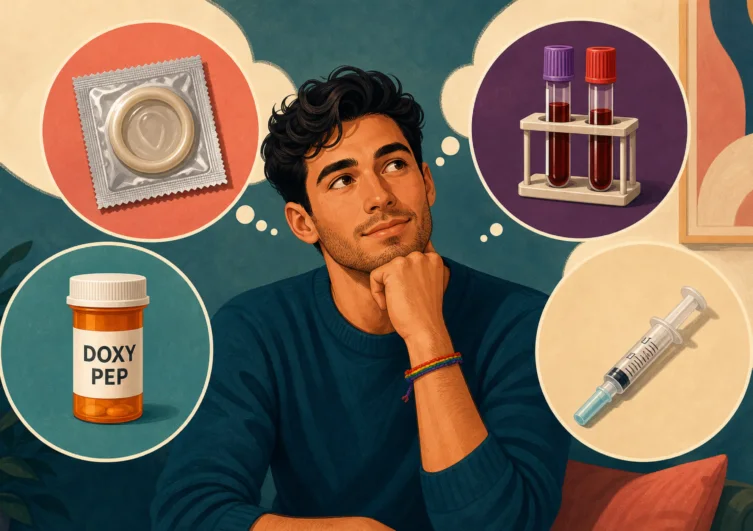
The CDC also recommends that clinicians discuss doxycycline post-exposure prophylaxis, known as doxy PEP, with gay and bisexual men and transgender women who have had syphilis, gonorrhoea or chlamydia during the previous 12 months. You can check our article on DOXY-PEP here for more information on that.
The bottom line
Syphilis is common, sometimes invisible and occasionally spectacularly confusing. It can be transmitted through oral, anal or vaginal sex, disappear into a symptom-free stage and return after treatment if you are exposed again.
It is also curable.
If you have symptoms, a known exposure or a new sexual partner, get tested. If you have previously had syphilis, tell the clinician before testing and ask whether a quantitative RPR or VDRL is needed. Do not rely on a rapid treponemal test to diagnose reinfection.
Most importantly, do not let embarrassment delay care. Sexual healthcare is healthcare. We all have sex. And, as healthcare professionals, we all have heard your story before, probably several times that morning, and almost certainly with more complicated props.
Your dignity will survive the appointment.
So will your sex life. Stay safe.